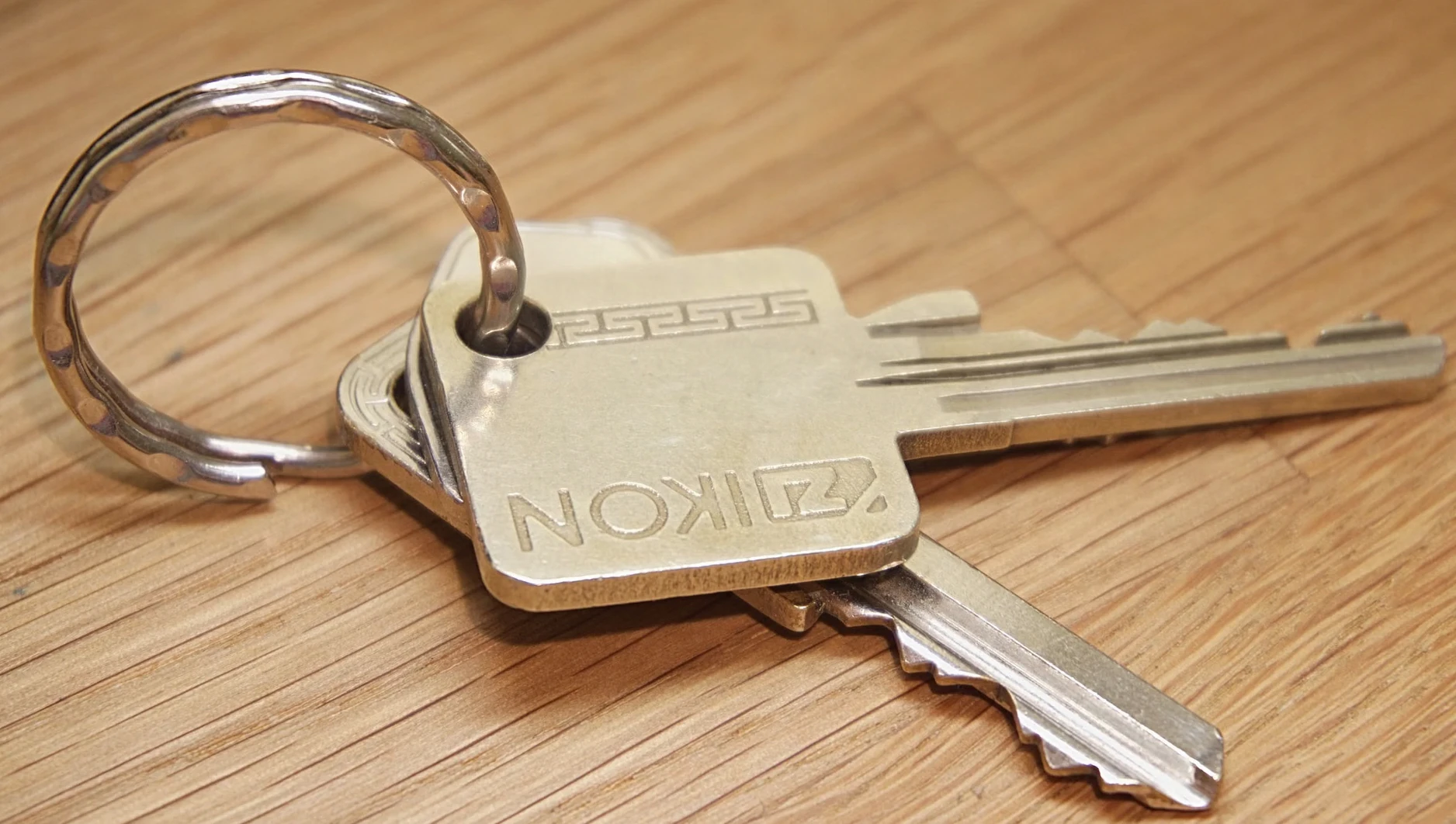
What is Key Duplication & Cutting and how does it work?
Key duplication is making a copy of an existing key using a machine that traces the original's grooves and cuts a blank to match. Key cutting is the same process, often used interchangeably. For Birmingham homeowners, it's how you get spares for family, tenants, or emergencies.
The machine does the heavy lifting, but the skill is in the setup. A good locksmith checks the original key for wear before clamping it in the vise. A worn key can produce a copy that works poorly or not at all. That's why a professional won't just run a key through a machine without looking it over first.
The blank you choose matters. Standard brass blanks work for most house keys, but some locks use restricted blanks that can't be copied at a hardware store. Birmingham locksmiths carry a range of blanks, including those for Schlage, Kwikset, and Medeco locks. If you have a high-security lock, the blank might be patented and only available through a licensed dealer.
The actual cutting takes seconds. The tracer follows the original key's profile, and the cutter mirrors it onto the blank. After cutting, the locksmith deburrs the key to remove sharp edges and tests it in the lock. A good copy should turn smoothly without sticking or binding.
Some Birmingham hardware stores offer self-service kiosks. Those are fine for simple keys on low-traffic locks. But for deadbolts, garage locks, or keys you rely on daily, a professional cut is worth the trip. The kiosk can't compensate for a worn original or adjust for slight variations in blank thickness.
How Key Duplication & Cutting works, step by step
First, the locksmith inspects your original key for wear or damage. Then they select the correct blank, clamp both in the machine, and trace the original to cut the copy. After cutting, they deburr, test, and hand you a working spare.
Step one is the inspection. A key that's been used for years can lose depth in its valleys or have rounded edges. The locksmith looks for these issues because a copy of a worn key will be even worse. If the original is too far gone, they might need to decode the lock and cut a key from scratch.
Next comes blank selection. House keys in Birmingham typically use KW1 (Kwikset) or SC1 (Schlage) blanks. But there are dozens of others for different brands and lock types. A commercial locksmith carries a full set, not just the common ones. They also know which blanks are compatible with which locks, which saves you a return trip.
The machine does the cut. A tracer pin rides the original key's grooves while a cutting wheel follows the same path on the blank. The locksmith controls the speed and pressure. Too fast can chip the blank; too slow can leave a rough edge. This is where experience matters more than the machine.
After cutting, the locksmith files off the burrs and tests the key in a lock. If it sticks, they can often adjust it with a light filing. A proper test is more than just inserting the key; it means turning the lock from both sides and checking that the key withdraws smoothly. You should leave with a key that works every time.
Some locksmiths can also cut keys by code. If you know the lock's code, they can cut a key without an original. This is useful if you've lost all copies. The locksmith reads the code from the lock itself or from the original packaging, then uses a code machine to cut the key. It's more expensive than a simple duplication, but it's the only option if you have no key to copy.
- Inspection of original key for wear
- Selection of the correct blank
- Clamping and tracing in the duplication machine
- Cutting the blank to match
- Deburring and testing in the lock
- Optional: code cutting from lock code
Why Key Duplication & Cutting matters for your home
Having spare keys saves you from lockouts, lets you give copies to family or tenants, and keeps you from having to rekey or replace locks when a key is lost. A properly cut key also extends the life of your lock by reducing wear.
The most obvious reason is convenience. You need a spare for the babysitter, the dog walker, or the neighbor who waters your plants. Without a duplicate, you're either handing over your only key or leaving a hidden spare that a burglar might find. A professional copy solves that problem cleanly.
There's also the security angle. If you lose a key, you don't always need to rekey the lock. But if you have no spare, you're stuck paying for a locksmith to open your door and then make new keys. Having a spare on hand means you can get back in quickly without a service call.
Birmingham weather can affect keys and locks. Humidity and temperature changes can cause locks to swell or stick. A key that was cut slightly off might work fine in dry weather but fail in the summer humidity. A professional cut is more precise, so your key works year-round.
For rental properties, key duplication is a routine need. Tenants move out, and you need new keys for the next tenant. You can either rekey the lock or simply cut new keys if the lock is unchanged. A commercial locksmith can cut multiple copies quickly, which is helpful if you own several properties.
The quality of the cut also affects the lock's lifespan. A rough or poorly cut key scrapes against the pins inside the lock, wearing them down over time. That can lead to a lock that jams or fails prematurely. A smooth, precise cut minimizes that wear and keeps your lock working for years.
Common problems and what causes them
The most common issue is a copy that doesn't work because the original key was worn, the wrong blank was used, or the machine wasn't calibrated. Other problems include keys that break in the lock, stick, or are too tight to turn.
Worn originals are the number one cause of bad copies. Over years of use, the key's teeth get rounded and the valleys get shallower. A machine copies that worn profile exactly, so the new key inherits the same problems. The fix is either to decode the lock and cut a fresh key or to have the locksmith adjust the copy by hand.
Wrong blank selection is another common mistake. A Kwikset blank looks similar to a Schlage blank, but the thickness and groove depth are different. Using the wrong one can damage the lock or simply not work. A professional knows the difference and carries the correct blanks for each brand.
Machine calibration matters. Self-service kiosks and cheap machines can drift out of alignment over time. That means the copy might be slightly off in one axis. The key might insert but not turn, or it might turn but not withdraw. A locksmith checks their machines regularly and can compensate for minor errors.
Keys can break inside locks, especially if they're made of cheap pot metal or have been cut too aggressively. A key that snaps off in the lock is a headache. You'll need a locksmith to extract the broken piece and cut a new key from the lock's code. This is why using quality blanks and a careful cut is important.
Sticky keys are usually caused by burrs left on the key after cutting. A quick deburring with a file or sandpaper solves it. But if the key still sticks after deburring, the cut depth might be wrong. That requires recutting or adjusting the key by hand. Don't force a sticky key; you could damage the lock.
- Worn original key leads to poor copy
- Wrong blank for the lock type
- Machine misalignment or poor calibration
- Cheap blanks that break easily
- Burrs or rough edges after cutting
- Incorrect cut depth from code errors
Common questions about Key Duplication & Cutting
Frequently Asked Questions
Can I get a key duplicated from a photo?
Not reliably. A photo doesn't capture the exact depth and angle of the cuts, and it can't show wear. A locksmith needs the physical key or the lock code to make a working copy.
How much does it cost to duplicate a house key in Birmingham?
Prices vary by locksmith and key type. A standard house key copy is usually under ten dollars. High-security or restricted keys can cost more. The only way to get an exact price is a free quote from a local locksmith.
Can a locksmith make a key for a lock I don't have a key for?
Yes. The locksmith can remove the lock, decode the pin configuration, and cut a key by code. This is more involved than duplication and costs more, but it's the standard solution for lost keys.
Why did my new key work once and then stop?
The key might have been cut slightly off and the lock's pins wore down to match it temporarily. Or the key could be made of a soft metal that deformed. A professional should recut the key from a fresh blank.
Are hardware store key kiosks reliable?
They work for simple keys on low-use locks. But they can't handle worn originals, restricted blanks, or high-security keys. For a deadbolt you use daily, a locksmith's cut is more reliable.
What is a restricted key?
A restricted key is one that uses a patented blank. Only licensed locksmiths can buy the blanks, so you can't get copies made at a hardware store. This adds security because you control who gets copies.
How do I know if my key is worn out?
Look for rounded edges on the teeth, shallow valleys, or a shiny appearance where the metal has worn. If the key sticks or requires jiggling, it's likely worn. A locksmith can tell you for sure.
Can you duplicate a car key?
Some car keys can be duplicated, but many modern vehicles use transponder keys that require programming. A commercial locksmith may handle basic car keys, but you'd need an automotive specialist for transponder keys.
What should I do if my key breaks off in the lock?
Don't try to remove it with pliers or tweezers; you might push it deeper. Call a locksmith. They have tools to extract the broken piece and can cut a new key from the lock's code.
How long does it take to duplicate a key?
A simple duplication takes about five minutes. Code cutting or making a key for a lock without an original can take fifteen to thirty minutes. Most locksmiths can do it while you wait.
Need commercial locksmith in Birmingham? Get a free estimate today.
📞 256-578-7554